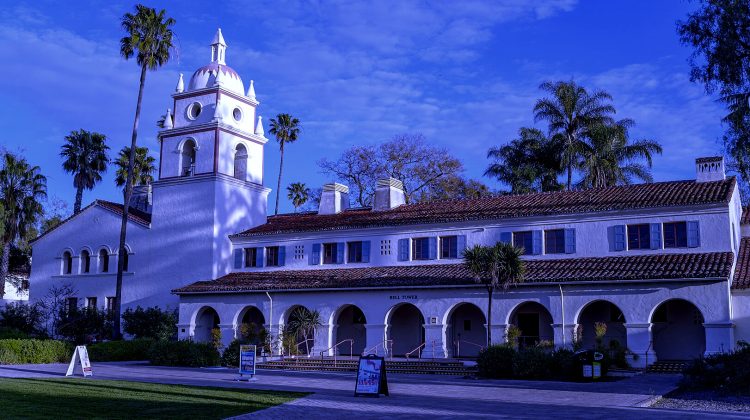
CSU Channel Islands has the architecture for a terrific ghost story: long corridors, sunlit courtyards, and a former hospital campus. But a dramatic setting is not evidence of a haunting. Here is a guide to the documented history and the paranormal folklore, with the two kept clearly labeled.
Documented History: From Hospital to University
Camarillo State Hospital closed in 1997, and CSU Channel Islands opened in 2002. The university’s official history explains the campus’s transition. The Camarillo State Hospital Collection preserves photographs, maps, documents, and oral histories about the hospital and its community.
That history involves real patients, staff, and families. It deserves more care than assuming a former psychiatric hospital must be haunted. For a deeper visit, start with those records before reaching for the ghost detector.
The Bell Tower: History and Ghost Lore
The Bell Tower genuinely belongs to the old hospital complex. CSUCI’s account of campus renovation describes how the 1930s buildings were adapted for university use, including the challenge of turning long, narrow hospital wings into classrooms.
Claims about disembodied voices, cold spots, and shadow figures should be treated as unverified ghost lore. The university history sources linked here establish the building’s past; they do not establish paranormal activity.
Campus Tunnel Stories: What Is Verified?
Tunnel stories are part of the campus’s spooky reputation, but the sources reviewed for this update do not establish the claims previously made here about transporting patients underground. We also found no support in those sources for linking hospital tunnels to Chumash forced labor. Those claims have been removed rather than repeated as history.
Curious about what was actually built? The library collection’s historical maps are a better starting point than an unsourced tunnel tale. This article is not an access guide to underground or restricted areas.
What About Paranormal Investigations?
The earlier version of this article described unnamed investigation teams and unexplained events without identifiable reports. We could not substantiate those accounts from the primary sources reviewed, so they should not be taken as documented investigations.
If you visit, use the university’s visitor information, respect posted access rules, and remember that this is a working campus. A good story does not turn classrooms, residences, or service areas into public ghost-hunting attractions.
Urban Legends and an Illustrated Scene
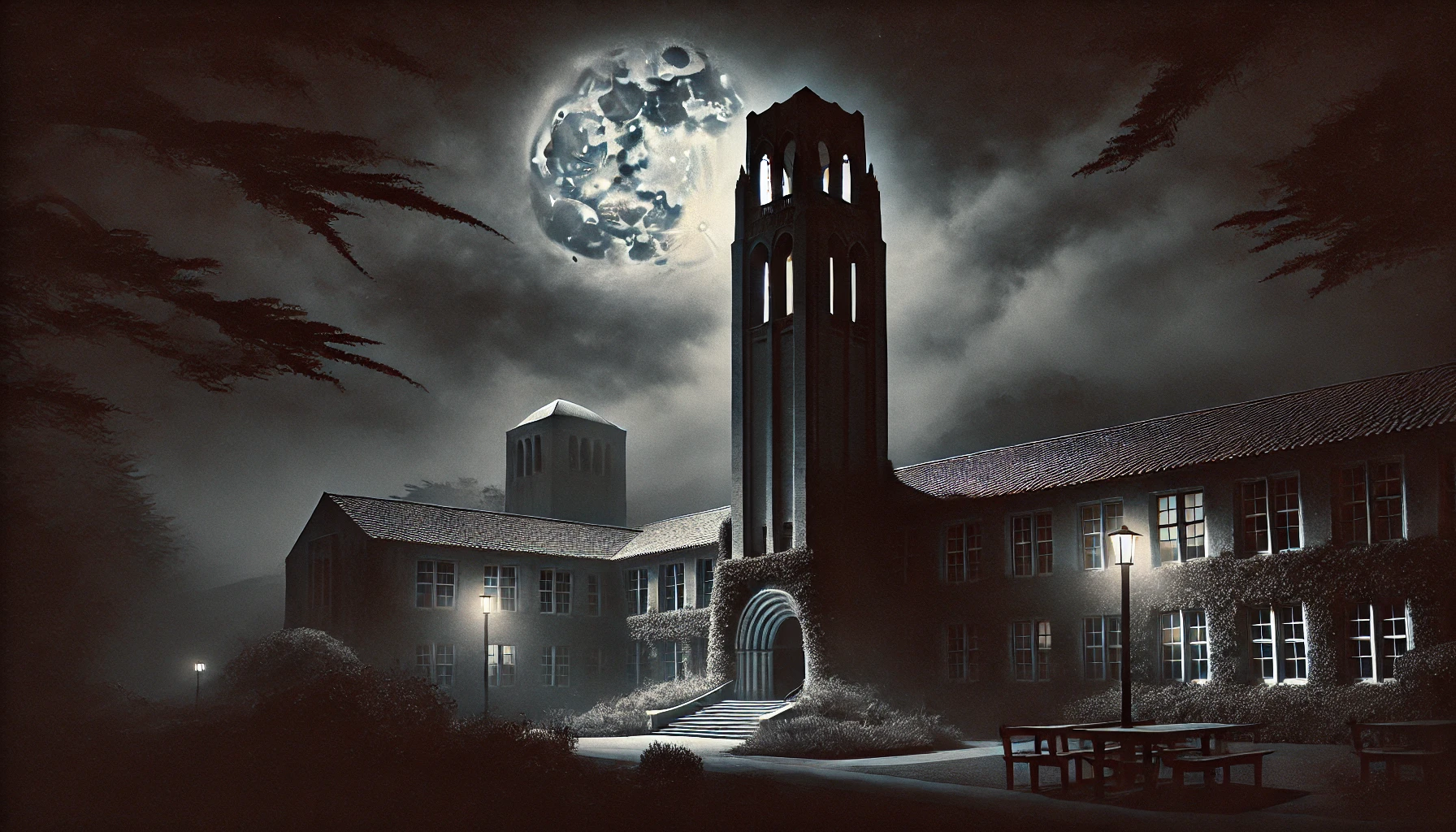
Stories about a “Ghost of Camarillo,” spectral medical staff, and figures in windows belong in the folklore category here. We have not verified those sightings or identified reliable firsthand accounts supporting the earlier descriptions.
The image above is an AI-generated illustration, not a photograph of a reported haunting. Enjoy the spooky mood, but do not mistake it for documentary evidence.
Want another California stop with its own haunted reputation? Read our Whaley House ghost-story guide, or browse 20 spooky places to visit for more inspiration.
Sources checked Sept. 26, 2026. This update separates university history from unverified paranormal stories and corrects the Bell Tower source link. If a specific firsthand account or archival record becomes available, it can be evaluated on its own merits.
Leave a Reply